
Fix Inventory Inaccuracy with RFID Inventory Tracking Software
Introduction
Inventory inaccuracy is one of the biggest challenges businesses face today. Manual errors, misplaced items, and outdated systems often lead to unreliable stock records. For retailers, warehouses, and suppliers, this means stockouts, overstocking, and frustrated customers.
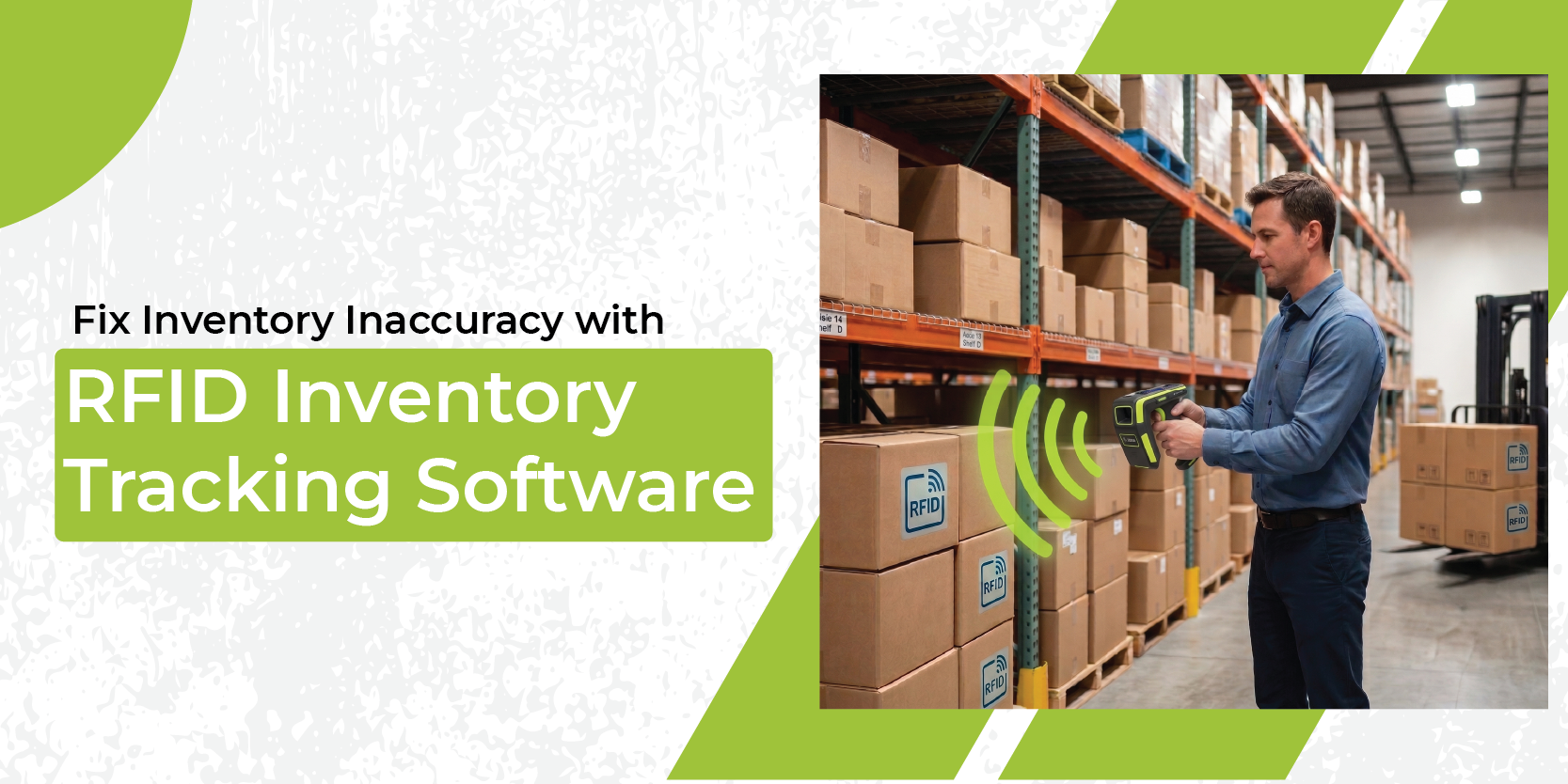
RFID technology offers a modern solution by providing real-time visibility and accuracy. With RFID, businesses can track items at the unit level, reduce human error, and streamline operations.
Why Inventory Inaccuracy Hurts Businesses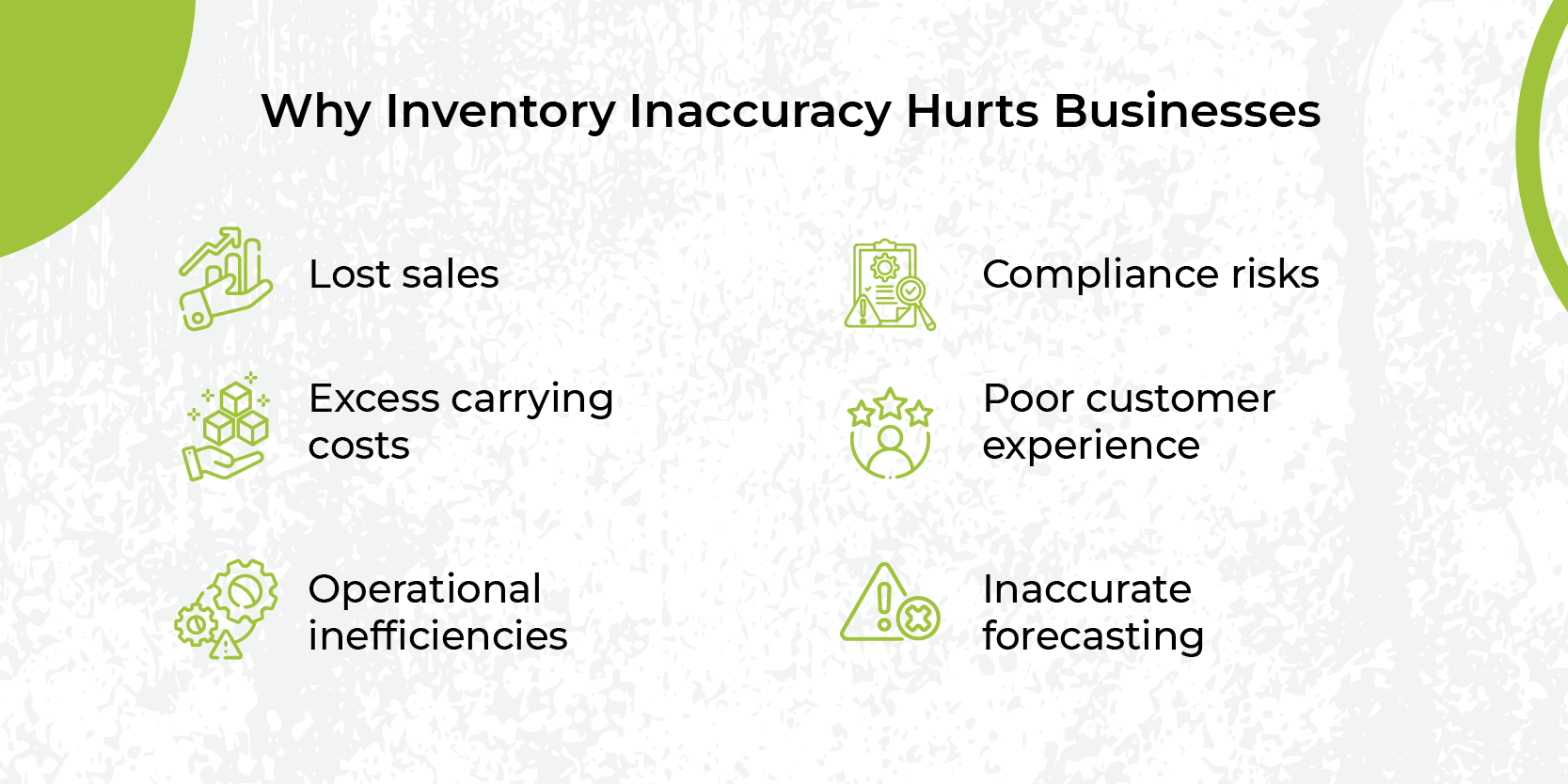
- Lost sales: Customers leave when items are unavailable, leading to missed revenue opportunities.
- Excess carrying costs: Overstock ties up capital, increases storage expenses, and reduces cash flow.
- Operational inefficiencies: Staff spend more time searching for items instead of serving customers or fulfilling orders.
- Compliance risks: Major retailers like Walmart and Nordstrom require accurate RFID tagging and reporting, making errors costly.
- Poor customer experience: Inaccurate stock data leads to disappointed customers, reduced trust, and weaker brand loyalty.
- Inaccurate forecasting: Wrong inventory data impacts demand planning, resulting in either shortages or excess production.
RFID Inventory Tracking: How It Works
RFID technology uses tags with unique EPC codes to identify each item individually. These labels are read instantly by RFID readers, eliminating the need for slow, manual counting. Unlike barcodes, RFID can scan multiple items at once without line-of-sight, making processes faster and more efficient.
When connected to ERP, WMS, or POS systems, RFID provides real-time visibility across the supply chain. This ensures accurate stock levels, reduces errors, and improves decision-making. Businesses benefit from faster operations, lower labor costs, and better compliance with industry standards.
Key Benefits of RFID Inventory Tracking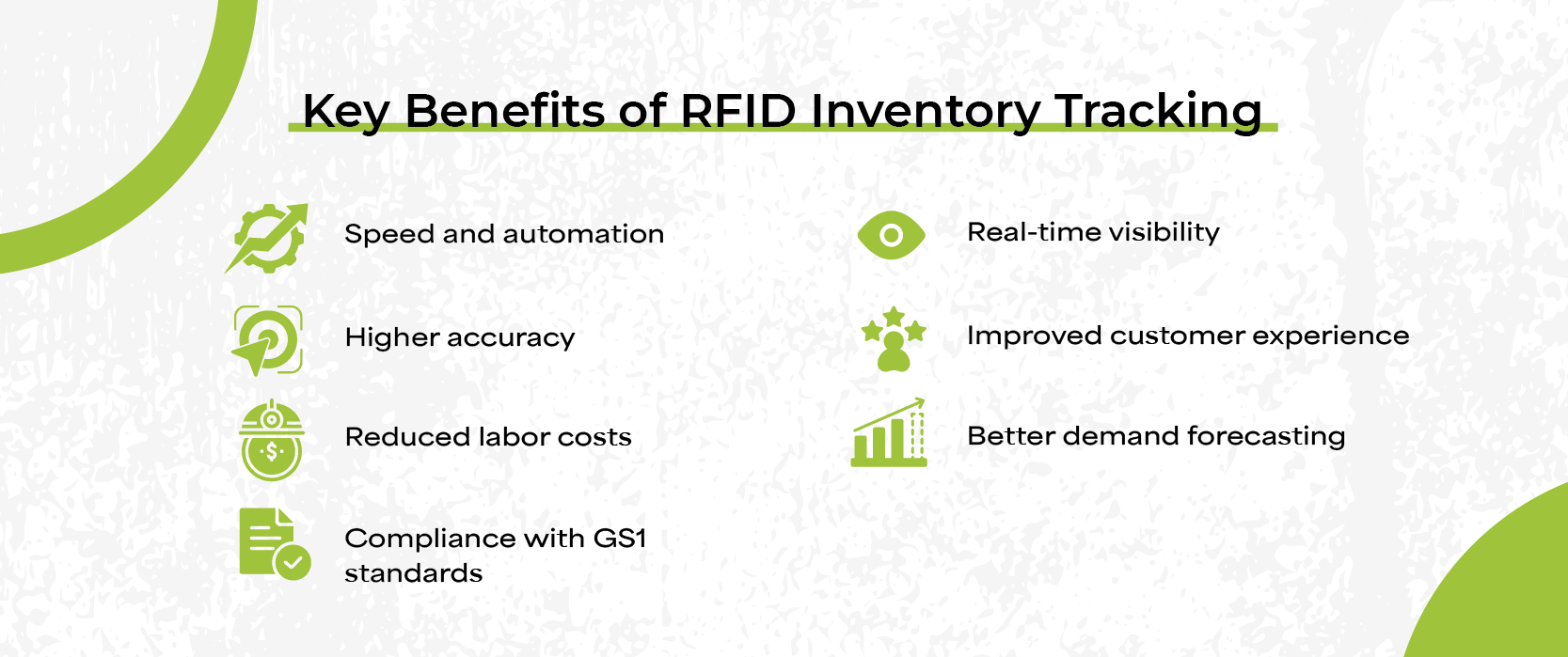
Speed and automation
RFID readers capture multiple items instantly, eliminating slow manual counts. This automation accelerates processes like receiving, shipping, and cycle counting, saving valuable time across warehouses and retail stores.
Higher accuracy
Each RFID tag and label carries a unique EPC code, ensuring precise item-level identification. This reduces duplicate records, misplaced items, and stock discrepancies, giving businesses reliable data for smarter decision-making.
Reduced labor costs
Automated scanning minimizes the need for manual inventory checks. Staff can focus on customer service or operational improvements, lowering labor expenses while boosting overall productivity.
Compliance with GS1 standards
RFID supports GS1-compliant encoding, which is essential for suppliers working with major retailers. This ensures smooth data exchange, avoids costly compliance issues, and strengthens supply chain partnerships.
Real-time visibility
Integration with ERP, WMS, and POS systems provides live updates on stock levels and item movement. Businesses gain complete visibility across the supply chain, improving forecasting and replenishment.
Improved customer experience
Accurate inventory ensures products are available when customers need them. This reduces out-of-stocks, enhances trust, and creates a seamless shopping experience both in-store and online.
Better demand forecasting
Reliable inventory data helps businesses predict demand more effectively. This reduces overproduction, prevents shortages, and supports smarter planning for seasonal trends or promotional campaigns.
TagMatiks Wedge: Bridging RFID Hardware and Business Systems
TagMatiks Wedge is a specialized RFID data capture and validation software that helps businesses ensure accuracy, compliance, and seamless integration with enterprise systems. It is widely used by suppliers, warehouses, and retailers to eliminate inventory errors and meet retailer requirements.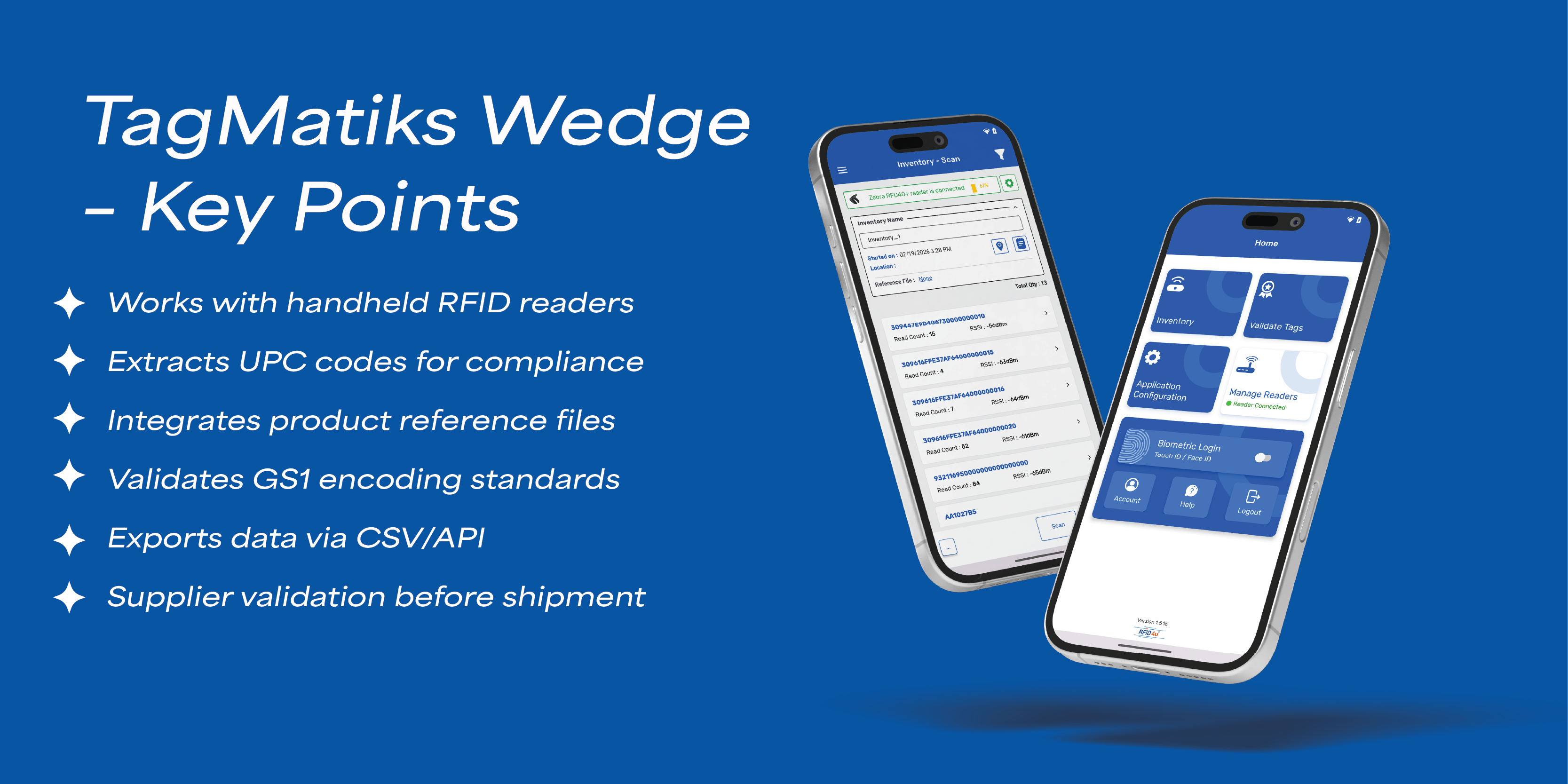
Overview
- The TagMatiks Wedge is designed to connect RFID hardware (handheld readers, mobile devices) with business applications.
- It captures RFID tag data, validates encoding, and ensures compliance with industry standards like GS1.
- The software supports Android and iOS devices, making it flexible for field and warehouse operations.
Key Features
- UPC Code Extraction: Ensures retail compliance by linking RFID labels with UPCs for accurate product identification.
- Reference File Integration: Matches labels with product details such as size, color, style, and quantity.
- GS1 Compliance Validation: Prevents encoding errors and ensures labels meet global standards.
- Flexible Export Options: Data can be exported in CSV format or integrated via API with ERP/WMS systems.
- Mobile Compatibility: Works seamlessly with handheld RFID readers and smartphones for on-the-go validation.
Benefits for Businesses
- Improved compliance with retailer mandates.
- Reduced errors in RFID encoding and data capture.
- Faster audits and validation processes.
- Seamless integration with enterprise systems for real-time visibility.
- Enhanced trust between suppliers, warehouses, and retailers.
TagMatiks Retail: Purpose-Built for Retail Environments
TagMatiks Retail is an RFID software solution designed specifically for retail stores. It provides item-level visibility across shelves and backrooms, helping retailers maintain accurate stock records, reduce shrinkage, and improve customer satisfaction.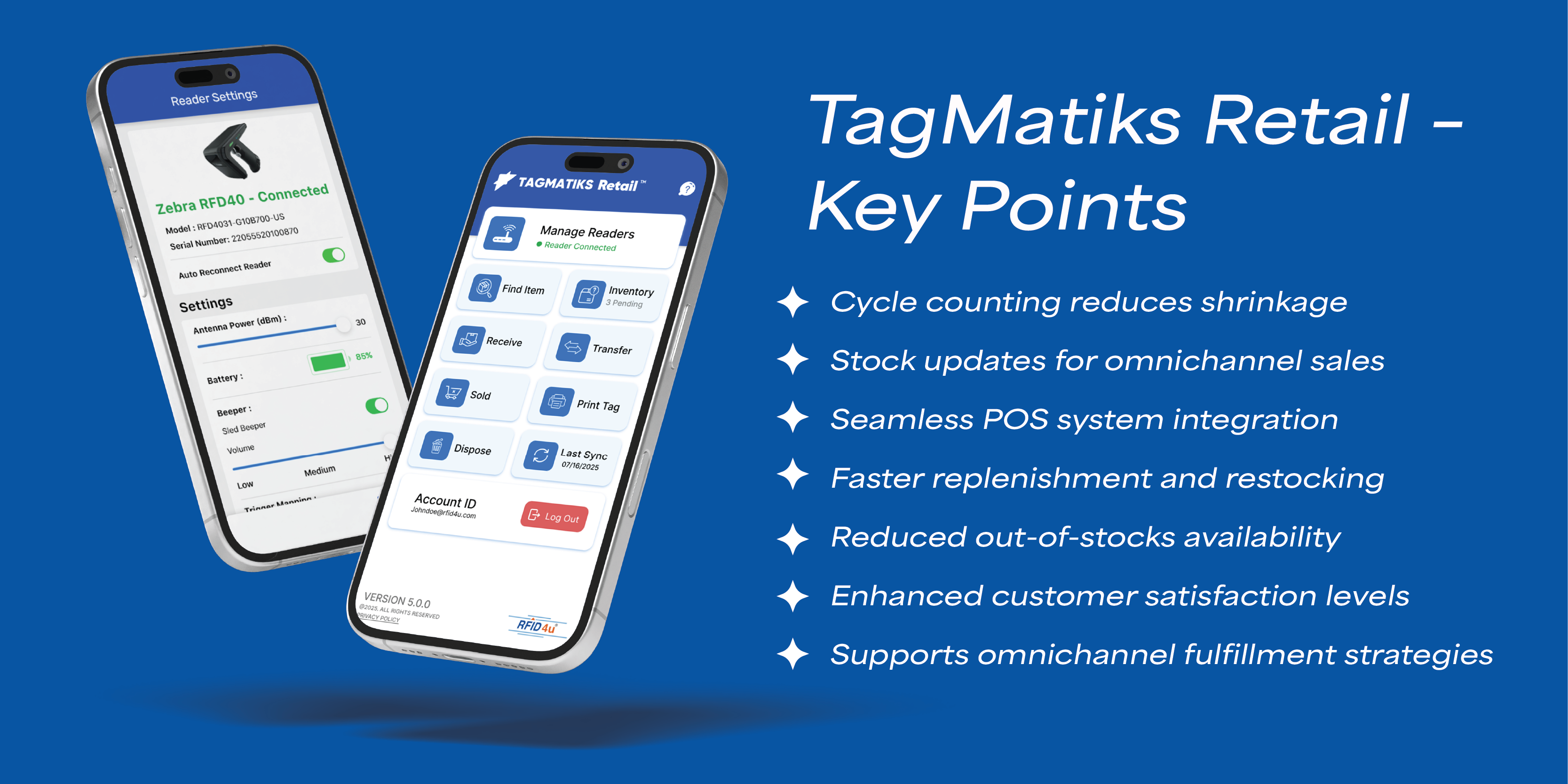
Key Features
- Real-time tracking: Monitors items across shelves, stockrooms, and fitting areas, ensuring accurate visibility at all times.
- Cycle counting: Automates regular inventory checks, reducing shrinkage and discrepancies.
- Omnichannel stock updates: Keeps inventory synchronized for online and offline sales, supporting click-and-collect and ship-from-store models.
- POS integration: Connects with point-of-sale systems to provide seamless customer transactions and accurate stock deductions.
Business Use Cases
Improved replenishment
Retailers can identify low-stock items in real time and replenish shelves quickly. For example, a fashion store can restock popular sizes before they run out, improving sales opportunities.
Reduced out-of-stocks
By maintaining accurate visibility, stores avoid situations where customers find empty shelves despite stock being available in the backroom. This ensures better product availability.
Higher customer satisfaction
Customers benefit from reliable product availability and faster service. For instance, omnichannel shoppers can trust that online inventory reflects actual in-store stock.
Shrinkage control
Automated cycle counts help detect missing or misplaced items quickly, reducing theft and loss. A grocery chain, for example, can track high-value items more effectively.
Omnichannel fulfillment
Retailers can confidently offer services like “buy online, pick up in store” because RFID ensures accurate stock data across all channels.
Benefits for Retailers
- Improved replenishment and faster restocking.
- Reduced out-of-stocks and better product availability.
- Enhanced customer satisfaction and loyalty.
- Lower shrinkage through accurate cycle counting.
- Stronger support for omnichannel strategies.
Implementation Roadmap for RFID Inventory Tracking
Attach RFID labels
Begin by tagging each product with RFID labels carrying unique EPC codes. This ensures item-level identification and sets the foundation for accurate tracking across the supply chain.
Deploy RFID readers
Install RFID readers in warehouses, stockrooms, and retail stores. Readers capture data instantly, enabling fast cycle counts, shipment validation, and real-time visibility of inventory movement.
Integrate TagMatiks software
Connect TagMatiks Wedge or TagMatiks Retail with ERP, WMS, and POS systems. This integration ensures seamless data flow, compliance validation, and centralized visibility for decision-making.
Train staff and run pilots
Educate employees on RFID processes and software usage. Conduct pilot programs to test workflows, validate compliance, and identify improvements before scaling across the organization.
Scale across multiple locations
Expand RFID deployment to all warehouses and retail outlets. This ensures consistent visibility, reduces errors, and supports omnichannel strategies with accurate, real-time inventory data.
Risks & Challenges
While adopting RFID inventory tracking brings immense benefits, businesses should be aware of a few challenges. The initial investment in RFID hardware and software can be significant, but it quickly pays off through efficiency gains. Staff training is essential to ensure smooth adoption and maximize results. Maintaining GS1 compliance across all labels safeguards accuracy and retailer requirements. Finally, integration with legacy ERP or WMS systems may require customization, but once completed, it enables seamless data flow and long-term scalability.
Conclusion
RFID inventory tracking software, including TagMatiks Wedge and TagMatiks Retail, empowers businesses to achieve greater accuracy, compliance, and efficiency. By reducing errors, improving visibility, and streamlining operations, companies can minimize losses, enhance customer satisfaction, and strengthen supply chain performance.
Implementing RFID solutions not only fixes inventory inaccuracy but also future‑proofs operations, enabling retailers and suppliers to stay competitive in a fast‑changing market. Investing in RFID today ensures smarter decisions and sustainable growth tomorrow.
Recent Posts
-
5 Tag Placement Errors Ruining RFID Accuracy
Introduction Radio Frequency Identification has become a backbone of modern inventory management, re …Sep 8th 2026 -

RFID Asset Tracking for HVAC Companies
HVAC companies rely on a wide range of tools, vehicles, and spare parts to deliver timely service. M …Aug 25th 2026 -
Fix Inventory Inaccuracy with RFID Inventory Tracking Software
Introduction Inventory inaccuracy is one of the biggest challenges businesses face today. Manual err …Aug 12th 2026