

RFID Tag Placement Secrets Every Clothing & Footwear Brand Must Know
Introduction
RFID technology has become a game-changer in the apparel and footwear industry. From real-time inventory tracking to faster checkouts, it’s helping brands deliver smoother operations and better customer experiences. Yet, one critical detail often gets overlooked: where the RFID tag is placed. Poor placement can lead to misreads, frustrated customers, and wasted investment. In this blog, we’ll uncover the secrets of RFID tag placement so your brand can avoid common mistakes and maximize results.
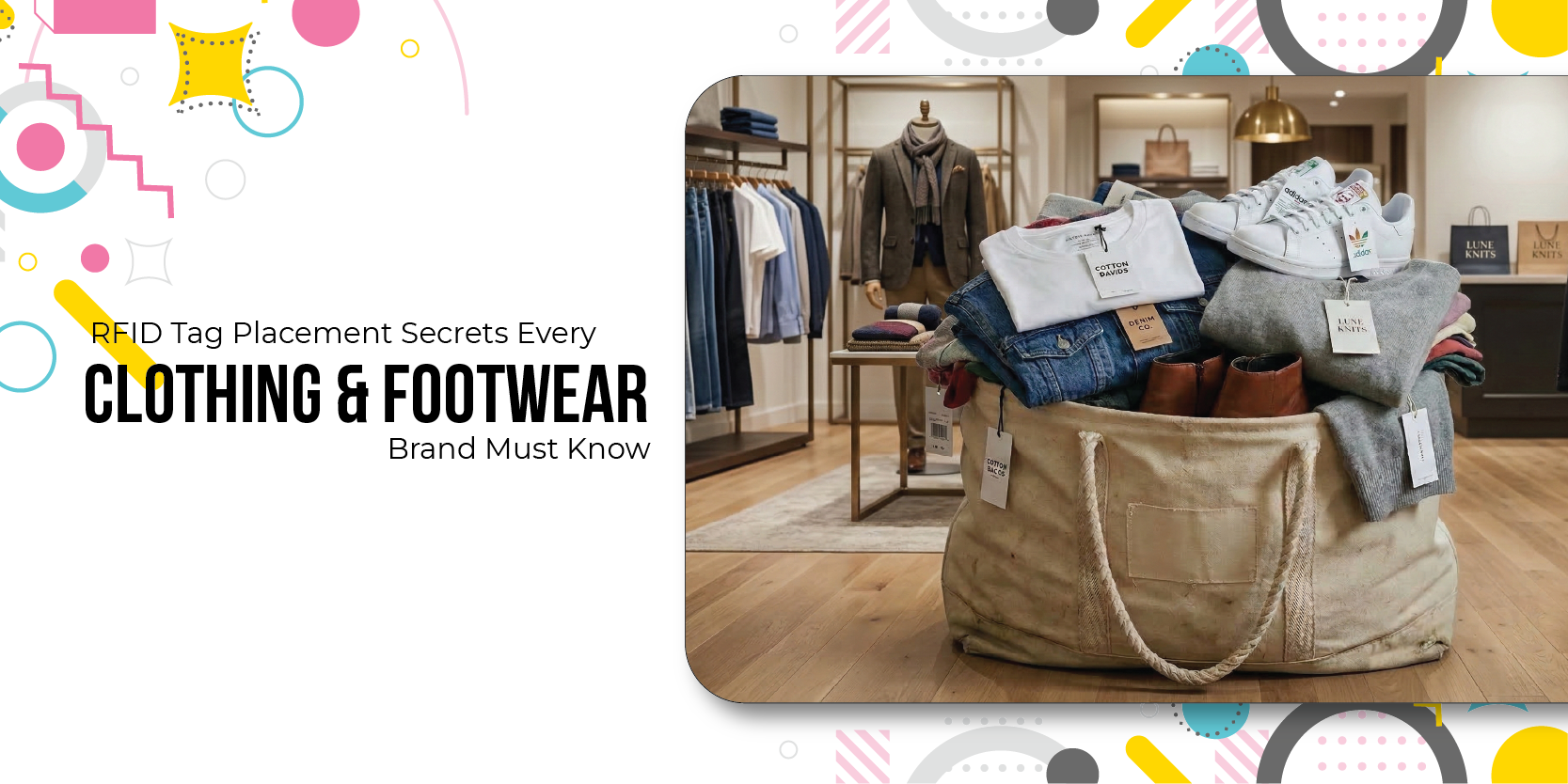
Why RFID Tag Placement Matters
Read Accuracy & Visibility
The position of an RFID tag directly affects how well it can be detected by readers. A tag placed in the wrong spot may not be picked up consistently, leading to gaps in inventory visibility. Proper placement ensures smooth scanning, whether using handheld devices or fixed readers in stores and warehouses.
Customer Experience
Accurate tag reads are essential for a seamless shopping journey. From quick checkouts to reliable anti-theft systems, RFID helps customers enjoy a frictionless experience. In omnichannel retail, correct placement also ensures that online orders match in-store stock, reducing errors and delays.
Cost Efficiency
Every misread has a cost. Poor placement can lead to shrinkage, incorrect stock counts, or the need to re-tag items—all of which add unnecessary expenses. By getting placement right the first time, brands save time, money, and resources while improving overall efficiency.
Fundamentals of RFID Tagging in Apparel & Footwear
Types of Tags
In fashion retail, RFID tags can take several forms depending on the product and use case:
- Hang Tags: Attached externally, often on product labels or price tags. They’re easy to scan and replace if needed.
- Sew-in Labels: Integrated into the garment, usually near care labels. These are durable and stay with the product throughout its lifecycle.
- Embedded Tags: Hidden within the fabric or product design, offering a discreet option that doesn’t affect aesthetics.
- Packaging-Level Tags: Applied to boxes, polybags, or cartons, making bulk scanning efficient during shipping and receiving.
UHF vs HF Tags
- UHF (Ultra High Frequency): UHF RFID tags are widely used in apparel and footwear because they support long-range scanning and can read multiple items at once. This makes them ideal for inventory management and retail environments.
- HF (High Frequency): More common in applications like contactless payments, transit cards, or access control. In fashion, HF tags are less typical because their shorter read range isn’t as effective for bulk scanning.
Compliance Considerations
To ensure smooth operations across supply chains, many retailers follow GS1 and EPC standards. These standards help maintain consistency in tag encoding, product identification, and data sharing. Compliance ensures that tags can be read reliably, not just in one store but across different retailers, warehouses, and logistics partners.
Clothing: Best Practices for RFID Tag Placement
Shirts & Tops
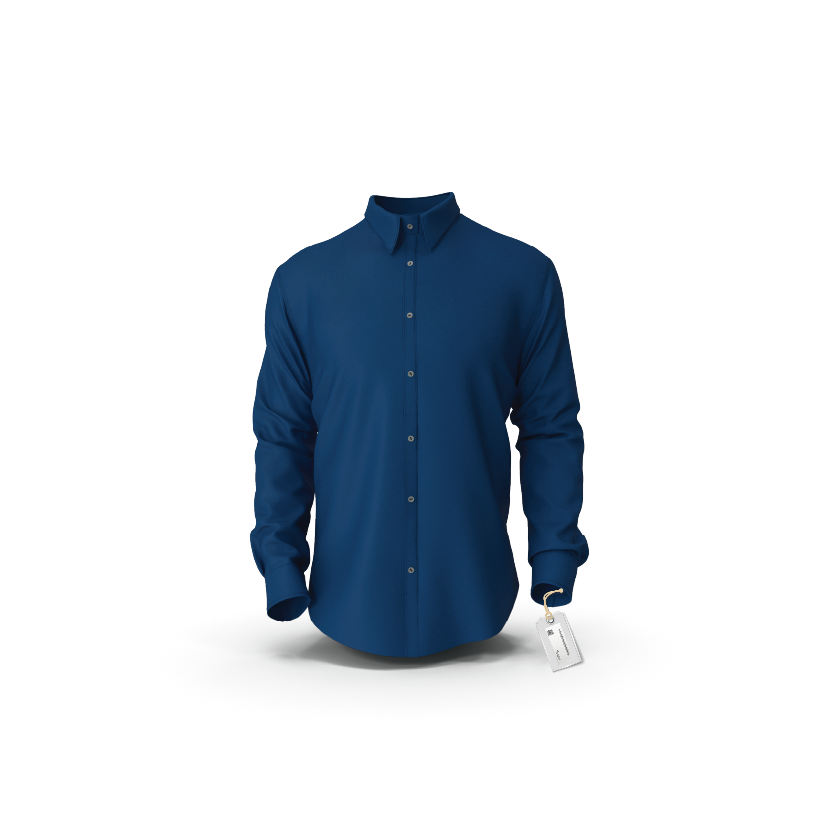
- Packaged or Hanging Tops: Place tags near care labels or hang tags for consistent scanning.
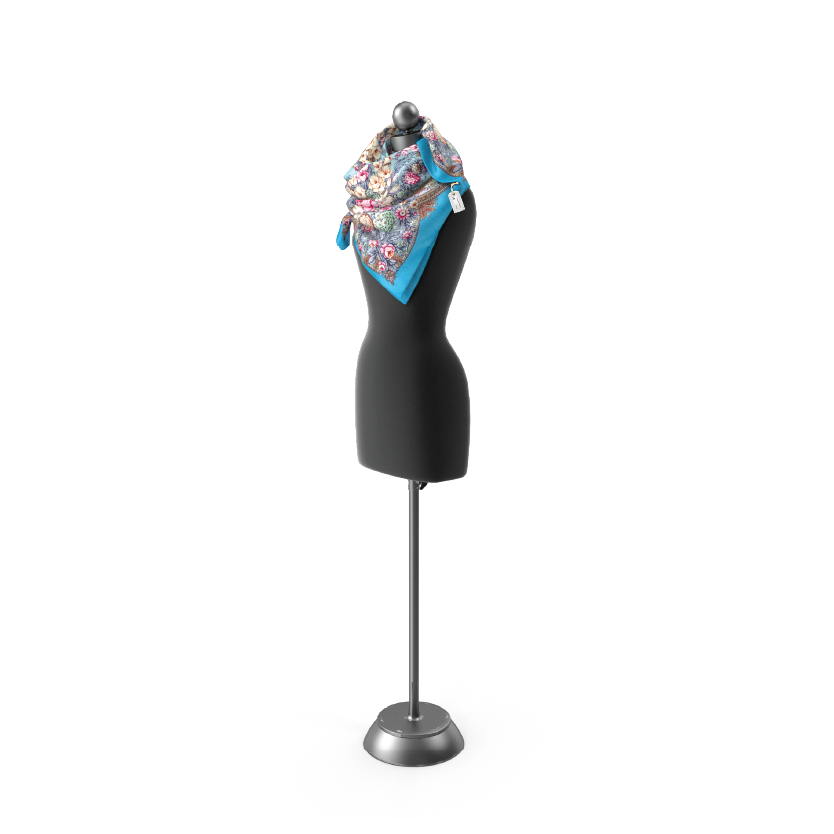
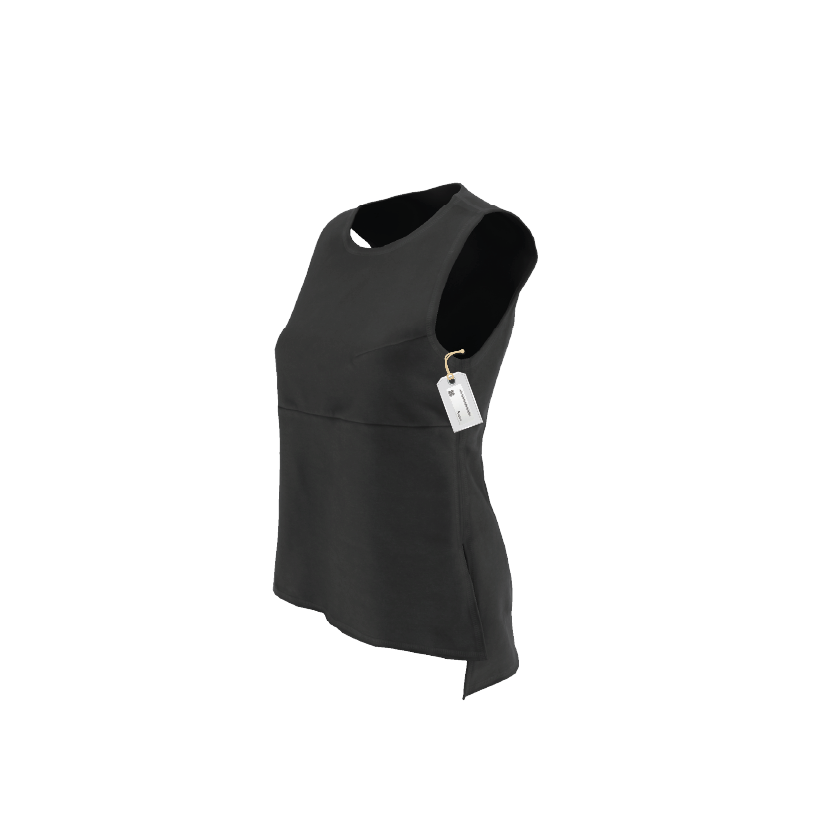
- Long Sleeve, Short Sleeve, Sleeveless Tops: Position tags on hang tags or sewn-in labels to avoid folds that interfere with readability.
Pants & Jeans
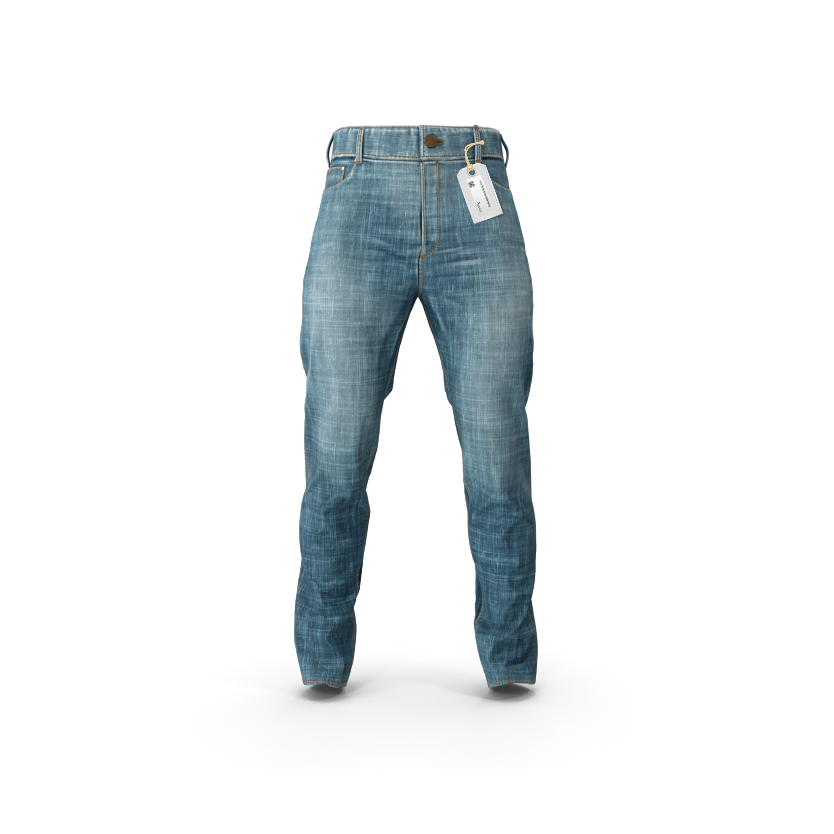
- Folded Pants, Slacks, Jeans, Shorts: Waistband or hang tag placement is recommended to avoid interference from folding.
- Hanging Pants: Tags should be attached to hang tags or sewn-in labels for consistent detection.
Dresses & Skirts
- Dresses with Sleeves or Sleeveless Dresses: Tags are best placed on hang tags or sewn-in labels near seams.
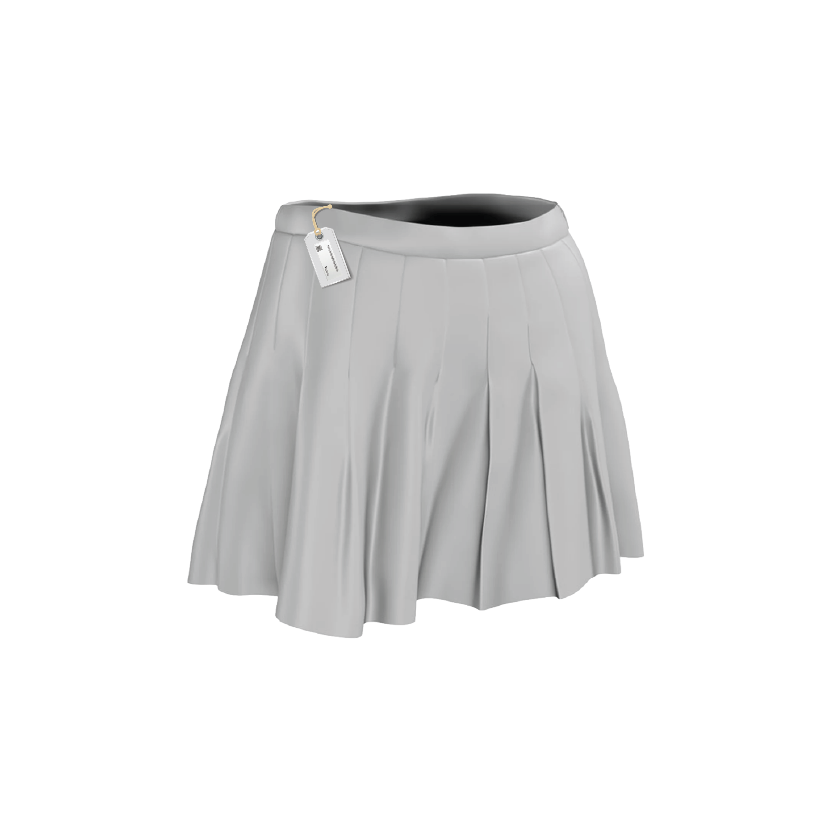
- Skirts: Place tags on waistbands or hang tags to ensure durability and readability.
Outerwear
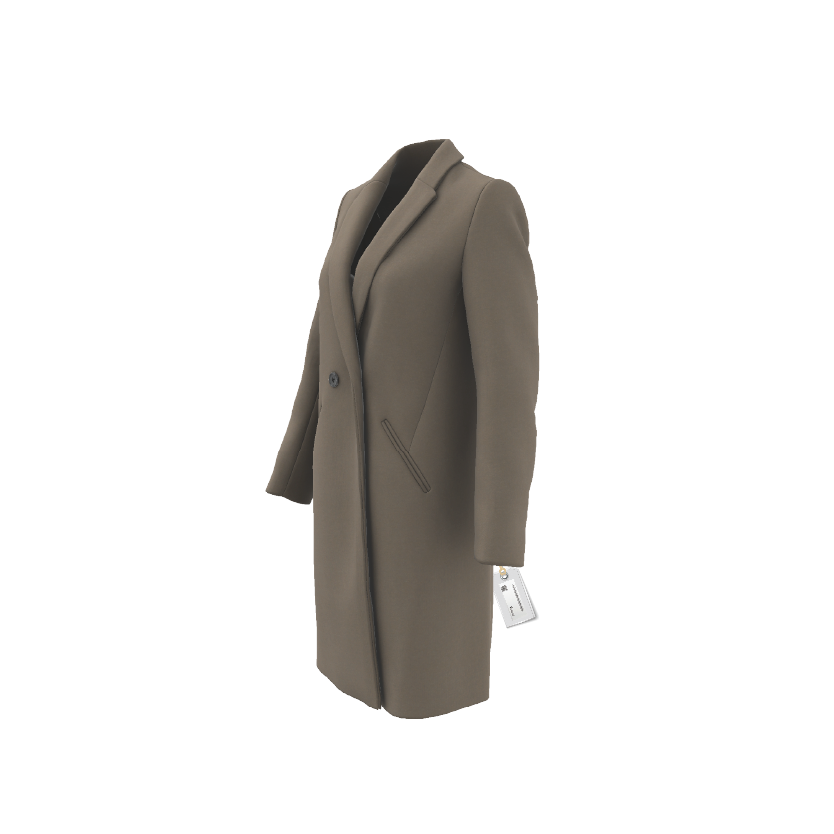
- Sport Coats, Blazers, Suits, Jackets, Coats, Ponchos, Parkas, Robes: Tags should be placed inside seams or on hang tags to withstand wear and maintain readability.
Camisoles & Slips
- Bras (Hanging): Tags should be attached to hang tags or sewn-in labels.
- Camisoles, Crop Tops, Slips, One-Piece Swimwear, Dancewear: Tags should be discreetly placed on hang tags or sewn-in labels.
- Panties & Control Garments: Tags should be positioned on hang tags for consistent scanning.
Accessories
- Belts: Place tags discreetly but scannable, often near the buckle area but offset from metal.
- Scarves & Shawls: Tags should be attached to hang tags or sewn-in labels.
- Caps, Visors, Hats, Knit Hats: Tags should be placed on hang tags or inside seams.
- Gloves & Mittens: Tags should be attached to packaging or sewn-in labels.
- Suspenders & Braces: Tags should be placed on hang tags for easy readability.
Specialty Items
- Overalls, Shortalls, Rompers: Tags should be placed on hang tags or sewn-in labels near seams.
- Vests: Tags should be positioned on hang tags or sewn-in labels.
- Sweatbands: Tags should be attached to packaging or sewn-in labels.
Pro Tip
Avoid placing RFID tags directly near metal zippers, snaps, or embellishments, as these can block signals. Tags should also not be folded or bent, and they should remain at least ¼ inch away from metallic surfaces to prevent detuning.
Footwear: Best Practices for RFID Tag Placement
Shoes
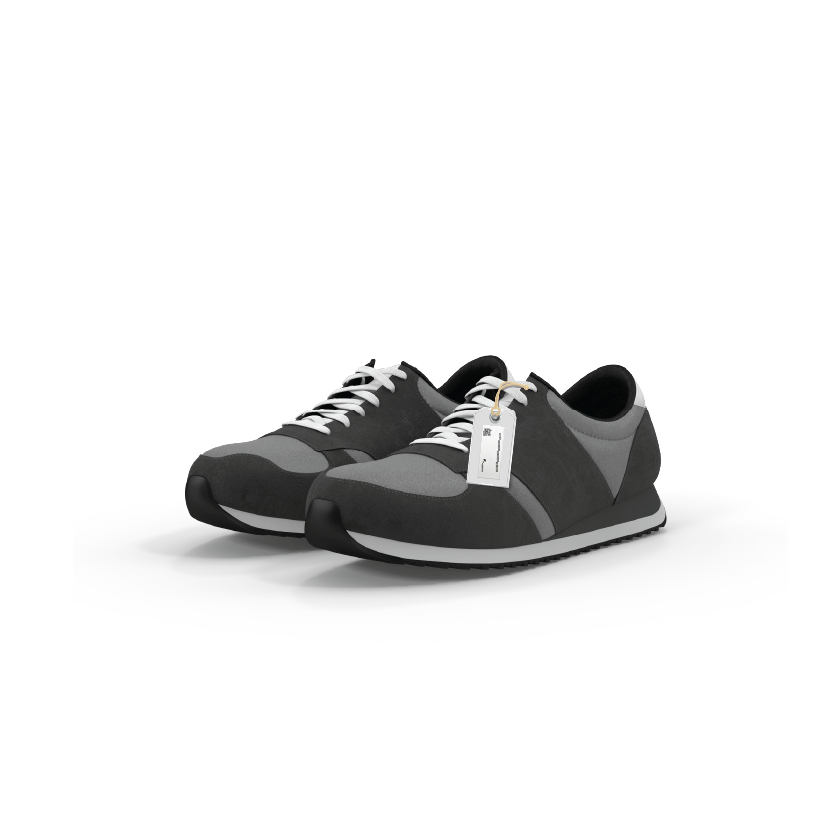
For general footwear, tags can be placed
- Inside the tongue: A common choice for sneakers and casual shoes, offering reliable reads.
- Heel area: Works well for certain designs where the tongue is too small.
- Shoebox: Especially useful for formal shoes or premium footwear where aesthetics matter.
Sneakers vs Formal Shoes
- Sneakers: Tongue placement is effective because of the flexible material and design.
- Formal Shoes: Often require box-level tagging since the rigid materials and sleek design make internal placement less practical.
Boots
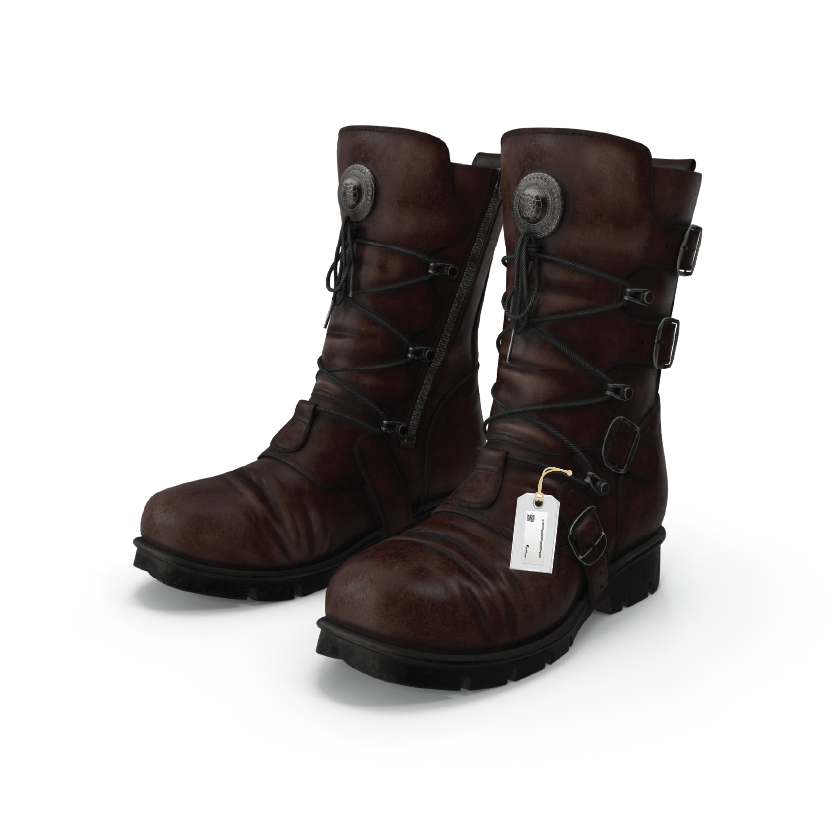
- Boots present unique challenges due to thicker materials and higher shafts. Tags can be:
- Placed near seams inside the boot.
- Applied at the packaging level (shoebox or carton) for consistent readability.
Socks & Hosiery
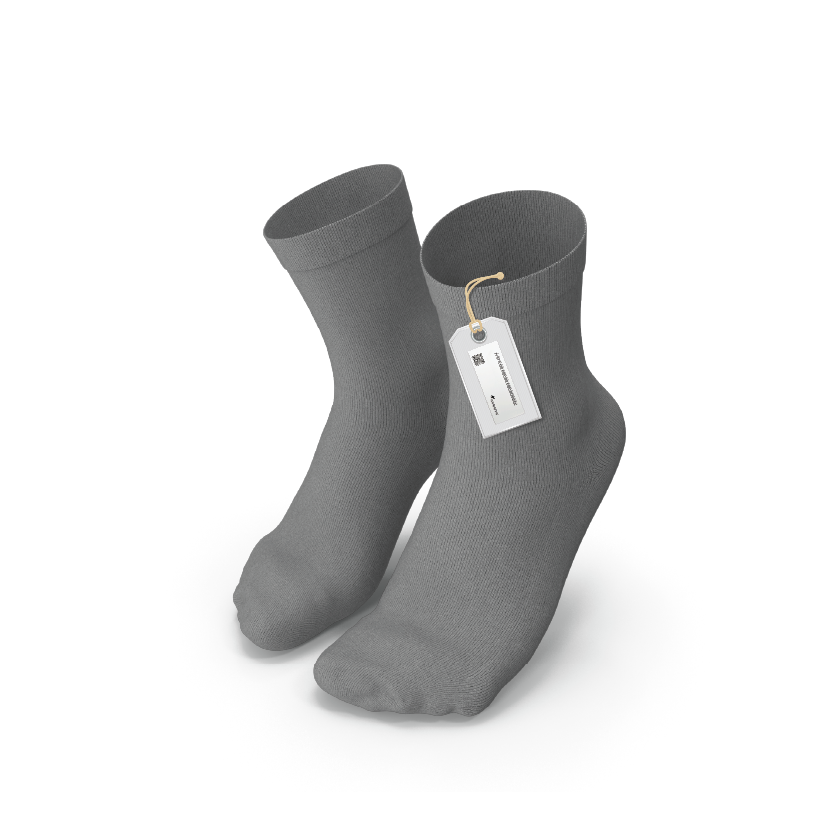
For socks, stockings, and hosiery, packaging-level tagging is the most efficient option. Tags on polybags or cardboard sleeves allow bulk scanning without interfering with the product itself.
Additional Footwear Categories (from GS1 guidelines)
- Sandals & Flip-Flops: Tags are best placed on packaging or hang tags, since the open design doesn’t allow discreet internal placement.
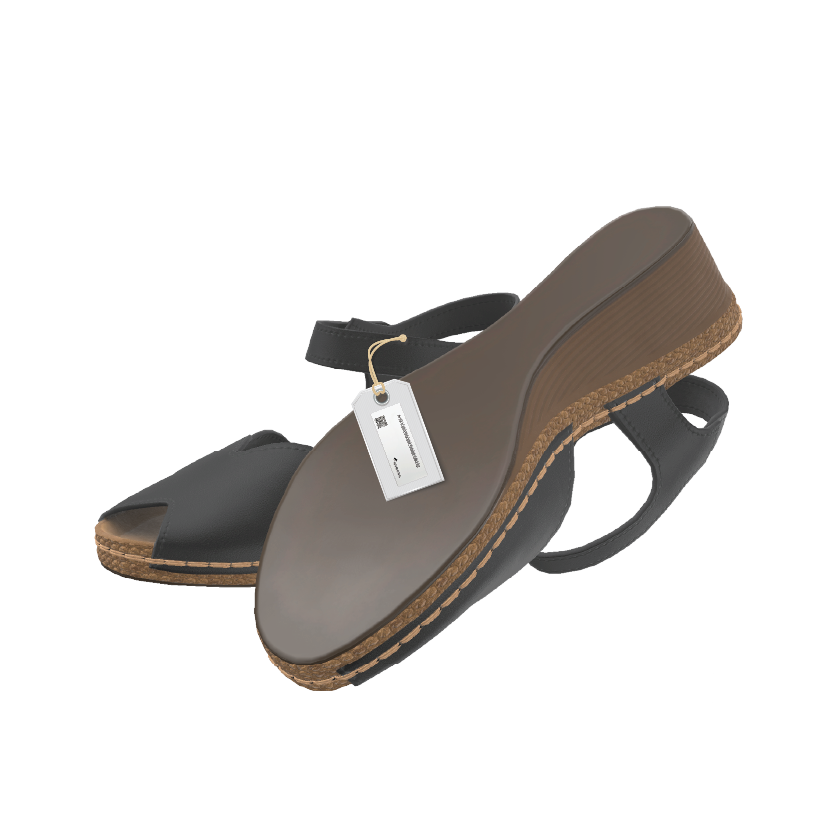
- Slippers: Tags can be placed inside seams or on packaging for durability.
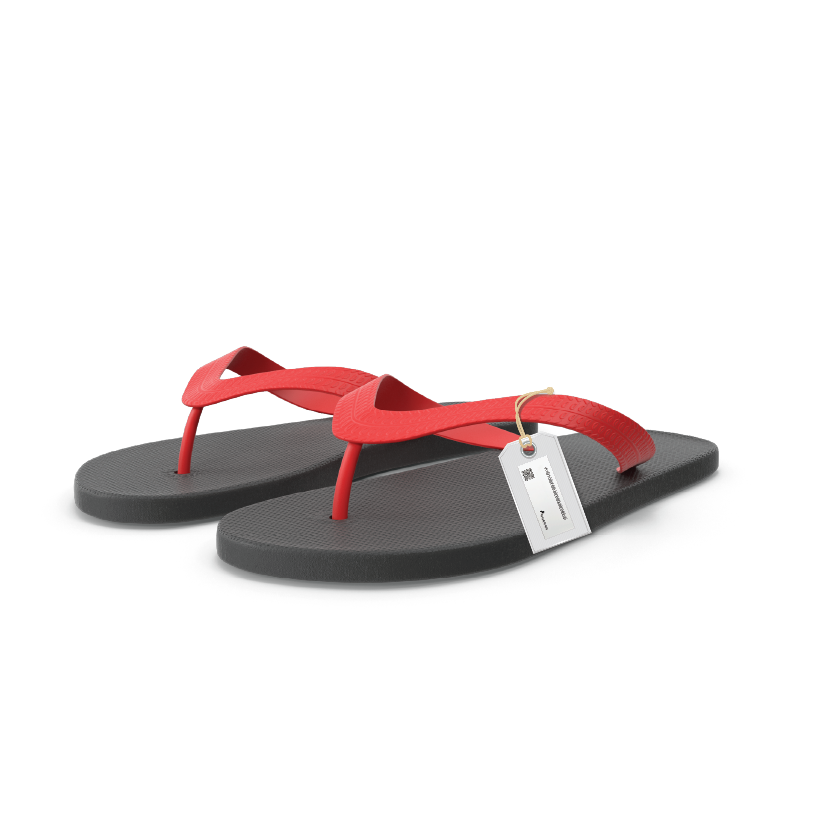
- Athletic Footwear: Similar to sneakers, tongue placement works well, but shoebox tagging is also common for bulk handling.
- Children’s Footwear: Box-level tagging is recommended to avoid discomfort or interference with small sizes.
Pro Tip
Always ensure RFID tags do not affect comfort, aesthetics, or durability. Avoid placing them near metallic eyelets, decorative buckles, or reinforced toe caps, as these can block signals.
Common Mistakes Brands Make
One of the most frequent mistakes brands make with RFID tagging is placing tags too close to metallic elements such as buckles, zippers, or decorative trims. Metal interferes with radio signals, leading to poor readability. Another issue is inconsistent placement across different SKUs—when tags are positioned differently on similar products, staff and systems struggle to scan them efficiently. Many brands also overlook packaging-level tagging, which is especially important for bulk shipments and warehouse operations. Finally, skipping read-range testing before rollout can result in costly errors, as tags may perform well in theory but fail under real store conditions.
Testing & Validation Strategies
Testing is the key to ensuring RFID tags perform as expected. In-store tests using both handheld and fixed readers help confirm that tags are readable in real-world conditions, from fitting rooms to checkout counters. Lab simulations are equally important, allowing brands to test placement before mass production and avoid expensive rework. A practical example comes from a brand that improved its read rates by 30% simply by repositioning tags away from metallic trims. This shows how small adjustments, backed by proper testing, can make a significant difference in performance and efficiency.
Actionable Checklist for Brands
To make RFID tagging effective and consistent across your clothing and footwear lines, here’s a simple checklist you can follow:
- Standardize placement guidelines across all product categories so tags are positioned consistently and reliably.
- Train staff on tagging practices to ensure every item is tagged correctly, reducing errors during production or in-store operations.
- Run pilot tests before scaling to identify potential issues in tag placement and fix them early.
- Document results and refine continuously so your team can learn from each rollout and improve over time.
- Avoid metallic interference by keeping tags away from zippers, buckles, or decorative trims that can block signals.
- Use packaging-level tagging for bulk shipments, cartons, or footwear boxes to simplify warehouse scanning.
- Check comfort and aesthetics to ensure tags don’t affect how customers wear or perceive the product.
- Perform read-range testing regularly with both handheld and fixed readers to confirm tags are detected in real-world conditions.
- Align with compliance standards like GS1 and EPC to ensure tags are interoperable across supply chains.
- Create a feedback loop between store staff and supply chain teams so issues with tag readability are reported and addressed quickly.
Conclusion
Strategic RFID tag placement isn’t just a technical detail—it’s a true competitive advantage. When tags are positioned correctly, brands benefit from accurate inventory visibility, smoother customer experiences, and reduced operational costs. By following best practices, avoiding common mistakes, and validating placement through proper testing, clothing and footwear companies can unlock the full potential of RFID technology.
Now is the time to take a closer look at your current tagging strategy. Even small adjustments can make a big difference in performance. Audit your RFID tag placement today—your inventory accuracy, operational efficiency, and customer satisfaction depend on it.
Recent Posts
-

RFID Tag Placement Secrets Every Clothing & Footwear Brand Must Know
Introduction RFID technology has become a game-changer in the apparel and footwear industry. From re …Mar 30th 2026 -
How RFID Solves Shopify Inventory Challenges for D2C Brands
Shopify has quickly become the preferred platform for Direct-to-Consumer (D2C) brands. Its flexibili …Mar 16th 2026 -
RFID vs Barcode in Retail: A Side-by-Side Comparison
Introduction Retail is transforming at a rapid pace, and at the center of this change lies inventory …Mar 6th 2026